8 hr
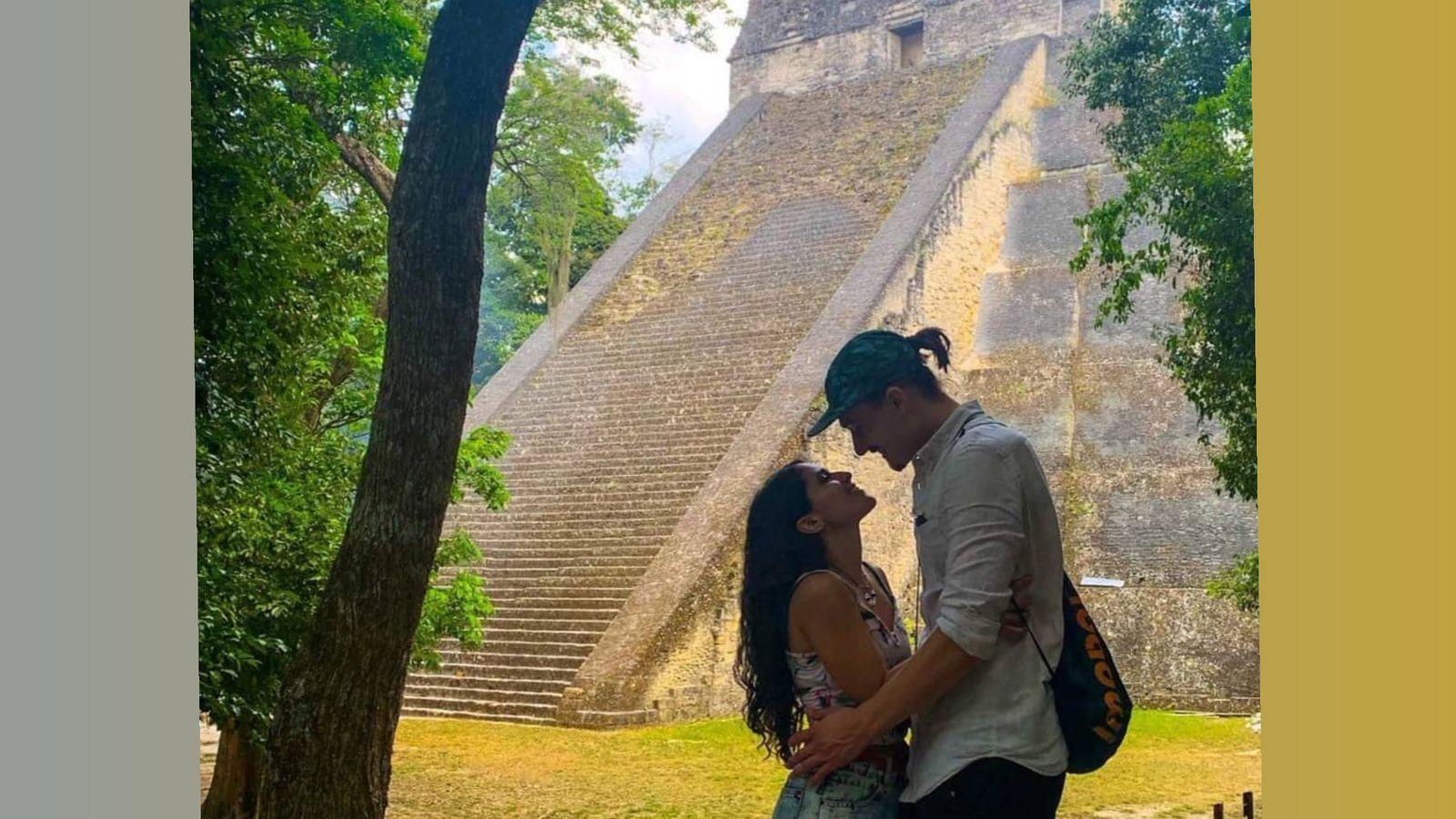
Tikal National Park Guided Tour from Flores
Journey into the ancient Mayan world with expert guides through jungle-covered temples and plazas
Reserve
Hand-picked by our editors — only the best 3 day-trip packages from 12 reviewed.
Verified partners for every tour, free cancellation where available, and instant confirmation on every booking.
8 hr
Journey into the ancient Mayan world with expert guides through jungle-covered temples and plazas
Reserve
8 hr
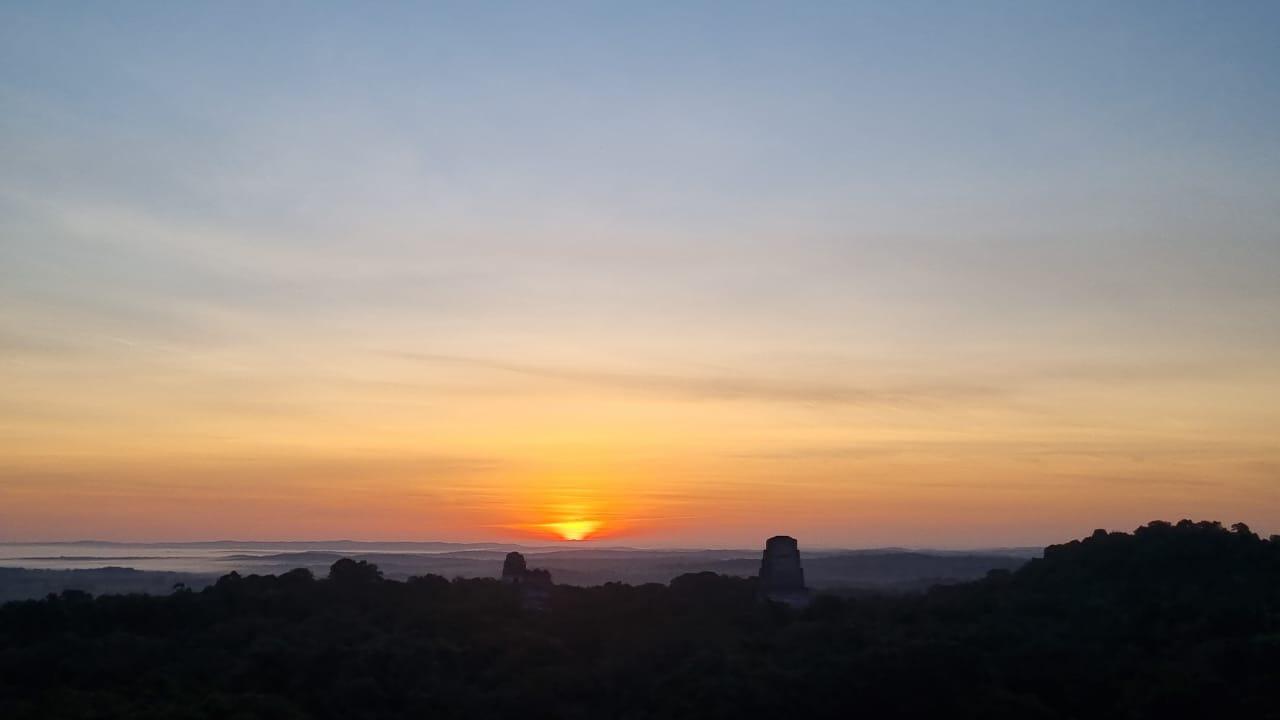
Watch dawn break over ancient Mayan temples from atop Temple IV, then explore Tikal's ruins with a bilingual guide
Reserve
8 hr
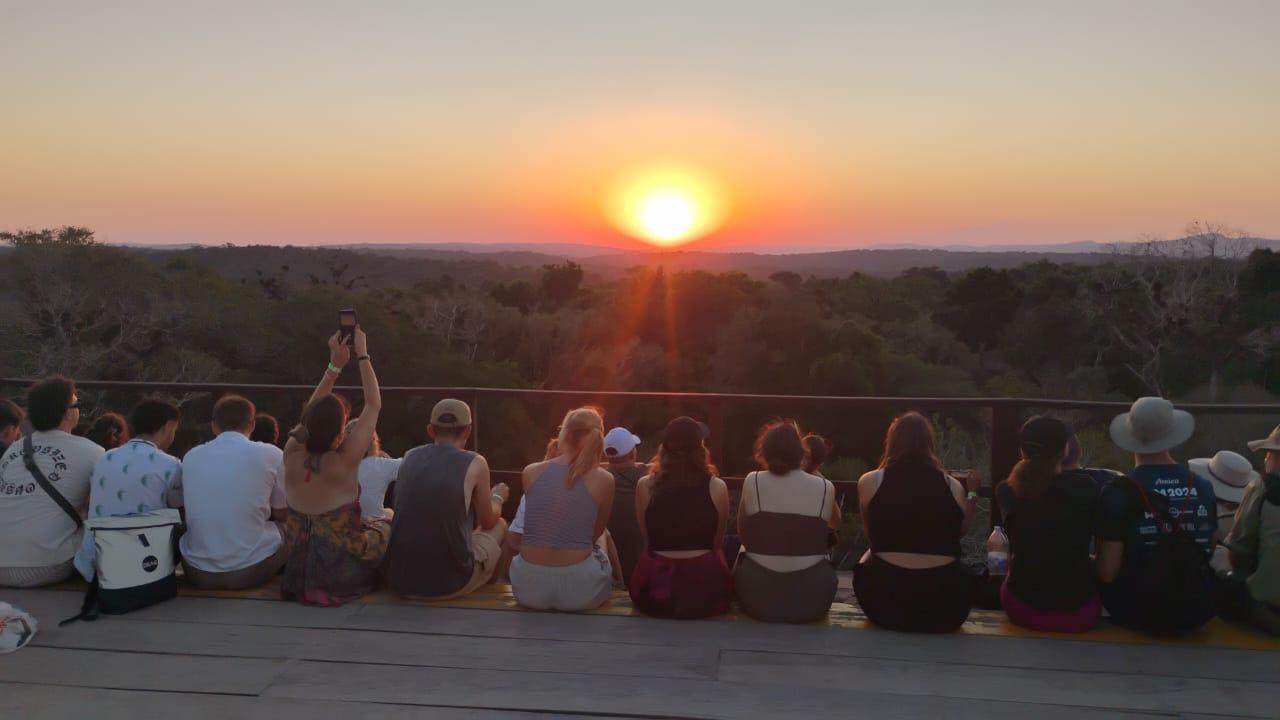
Discover ancient Mayan ruins and watch the sun set over the jungle canopy from atop the Lost World pyramid.
ReservePrices from verified partners. Availability updates in real time at checkout. Free cancellation policies apply where shown.
The landmarks, rooms, and views travelers on this tour remember — all visible on a single visit.
The massive crater features two lakes and is the most famous landscape on Corvo. It spans approximately 2 kilometers in diameter.
This village is known for its traditional basalt stone houses and narrow alleys. It is the only urban center on the island.
Historical structures that showcase traditional island agricultural heritage. They offer views of the Atlantic coastline.
A significant local landmark dating back to the 17th century. It remains a focal point for the island community.
They complement each other; most visitors who do both call the Flores Island coastal boat tours the more accessible option, while the Corvo excursion provides a more secluded adventure.
| Feature | Top pick Corvo Island Day Trip | Flores Coastal Tours |
|---|---|---|
Primary destination |
Corvo Island | Flores coastline |
Transit time |
40–60 minutes | 1–2 hours |
Main activity |
Caldera hiking | Sea cave exploration |
Landscape type |
Volcanic crater | Basalt sea cliffs |
Travel effort |
Moderate | Low |
Crowd levels |
Low | Moderate |
| See tickets → |
Verdict: Choose the flores to corvo day trip tours if you prioritize hiking volcanic craters, or opt for coastal boat excursions to view dramatic basalt formations and sea caves with fewer logistical requirements regarding flores to corvo day trip tickets or flores to corvo day trip tour planning.
Choose your ticket, select your date, and reserve in under two minutes. Secure checkout handled by our verified partner.
Instant confirmation by email, with a mobile voucher you can save offline. No printing, no queuing at a collection desk.
Arrive at the entrance, show your voucher on your phone, and walk in. Most tickets include priority or skip-the-line access.
Practical details for your visit straight from our verified partners — hours, access, rules, and how to get there.
Vila do Corvo, Corvo Island
Primary arrival point for all maritime transfers.
Daily boat services operate between the islands of Flores and Corvo.
Wear sturdy hiking footwear suitable for uneven volcanic terrain when taking a flores to corvo day trip. Layered clothing is recommended as weather conditions change rapidly across the island.
There are no formal security checkpoints on this flores to corvo day trip. Keep your belongings secure as you navigate the steep pathways of the village.
Photography is permitted throughout the island. Capture the architecture of the flores to corvo day trip landmarks without blocking narrow village access routes.
The terrain in Corvo is exceptionally steep and rugged. A flores to corvo day trip requires significant walking ability for those wishing to explore beyond the central village.
Mobile coverage is reliable in the village but may be intermittent near the caldera rim. Ensure your device is charged for navigation during your flores to corvo day trip.
The island is small and safe, though the steep roads may challenge strollers during a flores to corvo day trip. Prepare for a full day of outdoor activity if traveling with children.
Local dining options are concentrated in Vila do Corvo. Carry sufficient water for your flores to corvo day trip, as retail options are limited outside the village center.
Pets are allowed on most transit vessels but must be leashed. Check specific boat operator rules before boarding for your flores to corvo day trip.
As the smallest island in the Azores, Corvo maintains a quiet atmosphere. Respect local residents by keeping noise levels low during your flores to corvo day trip.
Vila do Corvo, Corvo Island
Primary arrival point for all maritime transfers.
Get directionsBest time to go, insider tips, nearby landmarks, and the cancellation fine print — flip through to skim what matters to you.
How crowds, weather, and events shift across the year.
Ideal for boat transfers with calmer sea conditions and clear visibility.
Current month provides mild temperatures perfect for caldera hiking.
Observe variable weather patterns and lush, post-summer landscapes.
Greener landscapes and migrating bird sightings common.
Small details that turn a good visit into a great one.
Always re-verify your return boat time with the captain due to weather-dependent schedules.
Sea conditions can cancel trips; have a secondary plan for your day on Flores.
Travel with minimal luggage to navigate the steep village streets easily.
The caldera is a protected site; ensure all waste is carried back to the village.
Corvo is a small community; prioritize pedestrian traffic on narrow roads.
Non-bookable sights within a short walk — free to visit, easy to pair.
The iconic volcanic crater lake at the heart of the island.
Flexible, no hidden fees.
Full refunds are provided for cancellations made at least 24 hours before the scheduled boat departure. No entrance fee for visiting Corvo Island applies, as entry is 0 EUR.
Hand-picked options within walking distance — pick a district for vibe, or a specific hotel for convenience.
Small family-run accommodations located in the heart of Vila do Corvo.
Corvo Island measures just 17.1 square kilometers, making it the smallest and most isolated of the nine Azorean islands. The entire resident population—fewer than 400 people—lives in Vila do Corvo, a single settlement of whitewashed basalt houses clinging to a volcanic slope above the harbor. Ferry service from Flores operates only when sea conditions permit; the 30-kilometer crossing traverses the North Atlantic's unshielded western frontier, where swells regularly exceed three meters and cancellations outnumber sailings in winter months. No airport exists. The island remained uninhabited until Flemish settlers arrived in the late fifteenth century, drawn by reports of wild pigeons and sheltered anchorage. For centuries Corvo served as a provisioning outpost for whaling vessels and transatlantic clippers, its strategic position midway between Europe and the Americas making it a last or first landfall depending on wind direction. The Caldeirão, a 300-meter-deep volcanic crater occupying the island's summit plateau, defines Corvo's interior. Two lakes fill the caldera floor, surrounded by miniature secondary cones that early shepherds interpreted as a map of the Azores archipelago. The rim trail circles the crater at 720 meters elevation, offering unobstructed Atlantic panoramas when fog permits—visibility drops to ten meters on more than half of all days. Endemic Azorean bullfinches and Monteiro's storm petrels nest in the laurel scrub covering the caldera's outer slopes. Basalt stone walls, some dating to the seventeenth century, partition abandoned terraces where islanders once cultivated wheat and barley at elevations no other Azorean community attempted. The island's isolation preserved these field systems intact; mainland grazing practices never reached Corvo. Vila do Corvo occupies a single valley descending from the crater rim to the harbor. The Church of Nossa Senhora dos Milagres, rebuilt in 1795 after an earthquake destroyed its predecessor, anchors the village square. Fishing boats still land catches directly onto the stone quay, and a cooperative windmill—the last operational example in the Azores—grinds corn using cloth sails unchanged since 1800. Day visitors typically arrive on morning ferries from Flores, allowing four to six hours for the caldera ascent and village exploration before the return crossing. No commercial accommodations exist beyond a handful of private guesthouses. The island received UNESCO Biosphere Reserve status in 2007, recognizing its role as a living archive of pre-industrial Azorean agriculture and its position as a critical Atlantic seabird sanctuary.
"The entire resident population lives in Vila do Corvo, a single settlement of whitewashed basalt houses clinging to a volcanic slope above the harbor."
A step-by-step walkthrough of the visit — what you'll see, how long each stage takes, and the details that matter.
You board the inter-island ferry at Santa Cruz das Flores harbor between 08:00 and 09:00, timing dictated by tide and swell forecasts radioed from the meteorological station. The crossing takes 60 to 90 minutes depending on sea state; crew secure all passengers indoors when waves exceed two meters. Corvo's harbor appears as a stone breakwater beneath vertical cliffs, the village clustered above in terraced rows. You disembark onto a single concrete quay where a van shuttle waits to carry passengers up the switchback road to Vila do Corvo, elevation gain 180 meters in three kilometers. The caldera trail begins at the village's uppermost edge, marked by a wooden trailhead sign and a stone water cistern. You ascend through hydrangea hedgerows and abandoned field terraces, gaining 540 vertical meters over four kilometers of cobbled path. The crater rim reveals itself suddenly—windswept grassland dropping away to twin lakes 300 meters below, their surfaces mirror-flat or whitecapped depending on wind direction. You circle half the rim, passing secondary cones that rise like miniature volcanoes from the caldera floor, before descending the same route. The round-trip caldera hike requires three to four hours. Back in Vila do Corvo, you walk the harbor road past the cooperative windmill and the Church of Nossa Senhora dos Milagres, its whitewashed facade bright against black basalt cobbles. A small ethnographic museum occupies a restored stone house near the square, displaying whaling harpoons and agricultural tools. You return to the quay 30 minutes before the scheduled departure, typically between 15:00 and 16:00, boarding for the return crossing to Flores.
Corvo Island is accessible 00:00–23:59 daily.
There is 0 EUR entrance fee for visiting Corvo Island.
Travel by boat from the port of Flores for a typical flores to corvo day trip.
Yes, the caldera is the main highlight and is best visited between 09:00–15:00.
Yes, small local eateries are available in Vila do Corvo.
Carry sturdy shoes, water, and rain gear for your flores to corvo day trip.
The steep, cobbled streets of Corvo make it difficult for standard wheelchairs.
Most visitors spend 4–6 hours on the island during a typical flores to corvo day trip.
Tickets are sold via local boat operators, and pre-booking is recommended for your flores to corvo day trip.