English| EUR
Suggested for you
More currencies
Choose a language
Corvo Island sits nine nautical miles northwest of Flores across open Atlantic water. The boat crossing is the only practical way to reach the Azores' smallest inhabited island, and every trip depends on sea conditions that can shift within hours.
Quick answer
The flores to corvo boat operates daily from Porto das Poças in Santa Cruz das Flores, with morning departures typically between 09:00 and 10:00 and return trips in the mid-afternoon. The crossing takes 45 to 60 minutes depending on sea state. Service runs year-round but is frequently canceled in autumn and winter when swells exceed safe operating thresholds. Reservations are essential during summer months.
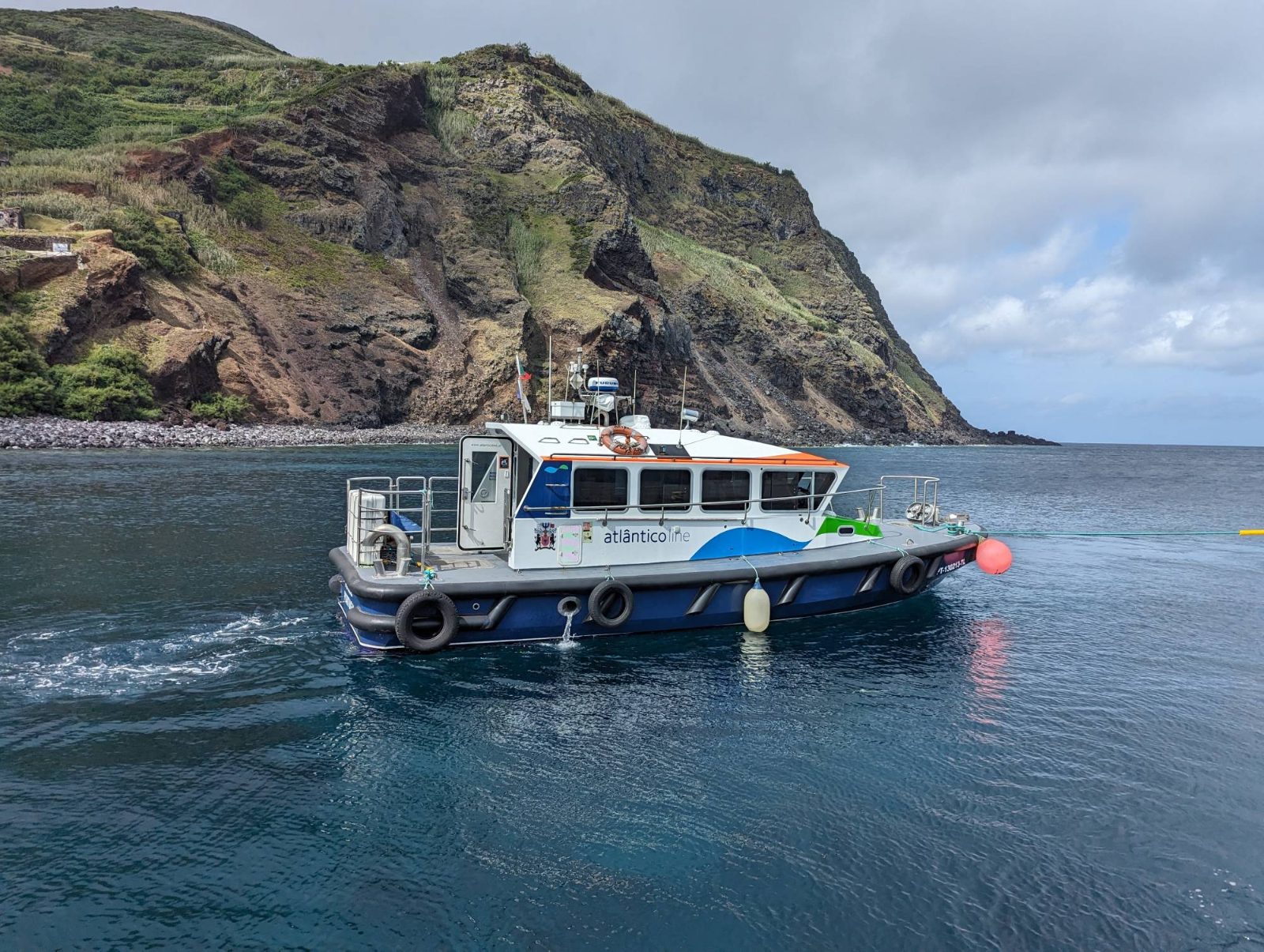
Corvo has no airport and no harbor large enough for conventional ferries. Every visitor arrives by small boat from Flores, weather permitting. The inter-island transit operates as a scheduled day-trip service rather than a fixed-timetable ferry, adjusting departure windows to match tidal conditions and Atlantic swell forecasts. Operators contact confirmed passengers the evening before to confirm or postpone sailings. The primary operator, Flores by Sea, runs rigid inflatable boats capable of carrying twelve to twenty passengers. The vessels launch from Porto das Poças, a sheltered inlet on Flores' northwest coast, and land at Corvo's single concrete pier in Vila do Corvo. The flores to corvo boat guide includes essential details: life jackets are mandatory, spray gear is recommended, and the open-water section can be rough even on days classified as calm. Motion sickness is common among first-time crossers. Bookings open roughly two months ahead for July and August, the most stable weather window. September through November brings unpredictable conditions—cancellations are routine, and multi-day waits are possible. Winter crossings happen but require flexible schedules. Most visitors build one or two buffer days into Flores itineraries to account for weather delays. Day-trippers typically have four to five hours on Corvo before the return departure, enough to walk the caldera rim or explore Vila do Corvo's compact center. Overnight stays require advance coordination since the island has minimal lodging. The boat service is not a sightseeing tour. It functions as essential infrastructure connecting Corvo's 400 residents to medical care, supplies, and the wider archipelago. Tourists share space with islanders, cargo, and occasionally livestock. The passage offers no shelter from wind or spray, and the final approach to Corvo's pier requires careful maneuvering in surge. Operators will not depart if conditions exceed safety margins, regardless of passenger schedules.
“The crossing functions as essential infrastructure for Corvo's 400 residents, not a sightseeing excursion.”
Boat transit from Flores to Corvo departs from the harbor facilities located at Porto das Poças. The most direct approach is to reach Santa Cruz das Flores, where the primary maritime terminal serves as the departure point for island-to-island connections.
Drive to Porto das Poças, Santa Cruz das Flores
Walk to Porto das Poças harbor area
Transit from Porto das Poças to Corvo Island
Plan your arrival at Porto das Poças, Santa Cruz das Flores, 9970-301 Flores, Azores, Portugal, within the recommended window to ensure proximity to the departure point. Refer to official operator communications for specific boarding instructions.
The boat service between Flores and Corvo operates daily throughout the week. The office remains open consistently to assist with transit inquiries and scheduling.
The optimal window for a boat trip between Flores and Corvo is during the morning hours, as Atlantic conditions frequently become more challenging by late afternoon. Planning your transit within the 09:00–16:00 arrival window ensures you align with standard operator schedules and safer sea states.
Warm with temperatures near 24°C
Peak demand requires early booking as capacity is often reached quickly.
Mild with temperatures around 20°C
More consistent sea conditions provide a balanced experience for travelers.
—
Departing early minimizes the risk of afternoon swell impacting the return journey.
Verdict: The best time for this trip is weekday mornings between June and September, departing during the early part of the 09:00–16:00 arrival window to ensure favorable sea conditions.
Book ahead and prepare for weather-dependent crossings between Flores and Corvo.
Everything you need to know about flores to corvo boat
You can plan your transit by visiting the official site to view schedules and availability. The service connects the islands via the Atlantic Ocean and is the primary maritime link between the two landmasses. Using the flores to corvo boat allows travelers to experience the Azores archipelago from the water.
The maritime transit between the islands usually takes around 40 minutes depending on sea conditions. This distance covers the channel between the Flores port and the Corvo harbor. You should check local weather updates before planning your travel.
The entry fee is 0 EUR for the boat transit service itself. Please note that this is a ferry or boat tour transit service rather than a standard attraction fee. You can find more information about these logistics on the official website.
We recommend utilizing the best arrival window of 09:00–16:00 to ensure a smooth boarding process. Boats typically depart in the morning for day trips and return by mid-afternoon. Arriving within this timeframe helps you coordinate with the scheduled maritime departures from the pier.
Yes, the boat service operates seven days a week from Monday through Sunday. The daily operational schedule remains consistent, with service hours between 09:00 and 17:00. This flexibility makes a flores to corvo boat trip accessible for day visitors throughout the entire week.
For group travel, it is best to check the official site to determine the capacity and availability for your specific travel date. Maritime transport capacity can vary, so planning ahead is necessary for larger parties. Always verify your group requirements directly through the provided contact channels.
Safety is the priority for all maritime transit between the islands, and local operators may cancel or reschedule trips during rough sea conditions. It is advisable to maintain contact with the operators using the provided phone number. Checking the status of your journey before heading to the port is always recommended.